
Introduction
When you walk into a well-designed bedroom, the first thing you notice is not simply the bed or the wardrobe—it is the sense of balance. The proportions feel right, the materials feel warm, and every piece seems to belong exactly where it is. That level of harmony rarely happens by accident. In most cases, it is the result of carefully planned custom bedroom furniture.
In recent years, homeowners and interior designers have increasingly shifted away from standardized furniture toward customized solutions. According to a global interior design trend report published by the International Furnishings and Design Association, demand for personalized furniture solutions has increased by more than 35% over the past decade, largely driven by changing lifestyles, smaller urban spaces, and the desire for more meaningful living environments.
A bedroom is no longer just a place to sleep. It has become a multifunctional sanctuary—a private space for rest, reading, reflection, and sometimes even creative work. Because of this shift, furniture that once served only functional purposes must now support emotional comfort, spatial efficiency, and aesthetic identity.
Custom bedroom furniture addresses these needs by allowing the design of beds, cabinets, and storage pieces that reflect both the physical dimensions of the room and the personality of the person living in it.
Before exploring the deeper benefits, here are the key ideas you will discover in this guide:
- Custom bedroom furniture improves spatial efficiency by matching furniture dimensions to the architecture of the room.
- Natural materials such as solid ebony or walnut-toned hardwood create warmth and durability that engineered materials cannot fully replicate.
- Traditional woodworking techniques significantly increase structural stability and reduce long-term noise or movement.
- Well-designed bedroom furniture can improve sleep comfort through ergonomic support and thoughtful proportions.
- Personalized designs create a calm and visually balanced interior environment.
- High-quality custom furniture often becomes a long-term investment rather than a temporary household item.
The following sections explore these ideas in detail, revealing the hidden advantages that many people only discover after living with thoughtfully designed bedroom furniture.
Table of Contents
Understanding the Concept of Custom Bedroom Furniture

What Does Custom Bedroom Furniture Really Mean?
Custom bedroom furniture refers to furniture designed according to specific spatial requirements, material selections, and aesthetic preferences rather than fixed industrial templates.
Unlike mass-produced furniture, which typically follows standardized dimensions optimized for manufacturing efficiency, customized pieces are developed with the proportions of a specific room in mind.
Key Characteristics of Custom Bedroom Furniture
Personalized Dimensions
Furniture dimensions can be adjusted to fit the exact proportions of a bedroom, ensuring comfortable movement and visual balance.
Material Transparency
Custom furniture often prioritizes solid wood or high-quality natural materials, giving homeowners greater control over durability and appearance.
Craftsmanship-Focused Construction
Many custom furniture makers rely on traditional joinery techniques such as mortise-and-tenon joints rather than relying entirely on metal fasteners.
Why This Matters in Bedroom Design
Bedrooms vary widely in layout, ceiling height, lighting conditions, and personal usage patterns. Furniture designed without considering these variables may disrupt the harmony of the space.
Custom bedroom furniture allows the design process to adapt to the architecture of the room rather than forcing the room to adapt to furniture.
Hidden Benefit #1: Perfect Spatial Proportion
One of the most underestimated benefits of custom bedroom furniture is the ability to achieve precise spatial proportion.
How Standard Furniture Creates Spatial Problems
Mass-produced furniture typically follows a narrow range of standard dimensions designed to fit the majority of homes. While this approach reduces manufacturing costs, it often creates spatial inefficiencies.
Common problems include:
- Beds that dominate the room visually
- Narrow walking paths around furniture
- Misaligned furniture placement with architectural features
Interior design research suggests that comfortable bedroom circulation space should be at least 70–90 cm around the bed, allowing safe and comfortable movement.
Example: Flexible Bed Dimensions
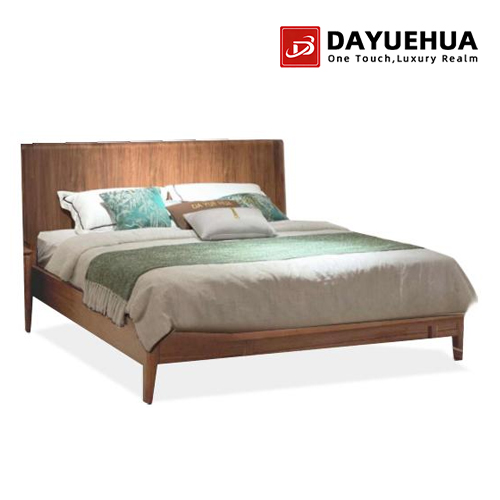
The D1107 King Panel Bed demonstrates how dimension flexibility can support different bedroom layouts.
Available sizes include:
- 1650 × 2200 × 1150 mm
- 1950 × 2200 × 1150 mm
These options allow homeowners to select a bed size that maintains visual balance while preserving circulation space.
Visual Weight and Interior Balance
Furniture does not only occupy physical space—it also occupies visual space.
A bed with a carefully proportioned headboard can serve as the visual center of the bedroom, anchoring the room without overwhelming the surrounding furniture.
Hidden Benefit #2: Authentic Materials and Longevity
The Role of Natural Materials in Bedroom Comfort
Material selection plays a significant role in how a bedroom feels. Natural materials such as solid wood offer both durability and sensory warmth.
Studies in environmental psychology have shown that natural materials in interior environments can reduce perceived stress levels and improve feelings of relaxation.
Solid ebony and walnut-toned hardwood are often used in premium bedroom furniture because they combine structural strength with refined natural grain patterns.
Characteristics of High-Quality Hardwood Furniture
| Material Property | Solid Hardwood | Engineered Board |
|---|---|---|
| Durability | Very high | Moderate |
| Repairability | Can be refinished | Limited |
| Lifespan | 20–50+ years | 5–15 years |
| Natural appearance | Unique grain patterns | Uniform surface |
Source: Wood performance studies referenced in The Wood Handbook published by the Forest Products Laboratory.
Why Natural Grain Matters
The subtle variation in wood grain creates a living surface that changes slightly under different lighting conditions. Over time, the wood develops a patina that enhances its visual depth.
This evolving aesthetic quality is one reason solid wood furniture often remains desirable for decades.
Hidden Benefit #3: Structural Engineering and Silent Comfort
Many people underestimate the engineering involved in bedroom furniture design. A well-built bed must support significant weight while remaining stable and quiet.
Traditional Joinery Techniques
Mortise-and-tenon joinery has been used in furniture construction for centuries. Instead of relying entirely on screws, this technique interlocks wooden components, distributing load across the structure.
Benefits include:
- Improved stability
- Reduced loosening over time
- Better resistance to lateral movement
Example: Structural Design in the Muge-D1106 Double Bed
The Muge-D1106 bed incorporates several structural features that enhance stability:
- reinforced solid wood legs
- mortise-and-tenon joinery
- double hardware reinforcement
The bed frame is designed to support over 800 kilograms, ensuring stability even during dynamic movement.
Noise Reduction Engineering
Another often overlooked feature is sound reduction.
High-quality bed frames may include:
- sound-absorbing pads between slats
- reinforced cross beams
- precision-fit wooden joints
These features reduce friction noise, creating a quieter sleeping environment—an important factor for people with light sleep patterns.
Hidden Benefit #4: Visual Harmony and Interior Balance
A bedroom is not only a functional space but also a visual environment that affects mood, relaxation, and sleep quality. One of the lesser-discussed advantages of custom bedroom furniture is the ability to create visual harmony between furniture, architecture, and lighting.
The Concept of Visual Balance in Interior Design
Interior designers often evaluate a room through three key visual factors:
Proportion
Proportion refers to how furniture size relates to the room size.
A large bed in a small bedroom can make the room feel cramped, while a bed that is too small may look visually disconnected from the surrounding furniture.
Custom bedroom furniture allows designers to adjust the height of headboards, thickness of bed frames, and width of side panels to maintain visual balance.
Rhythm
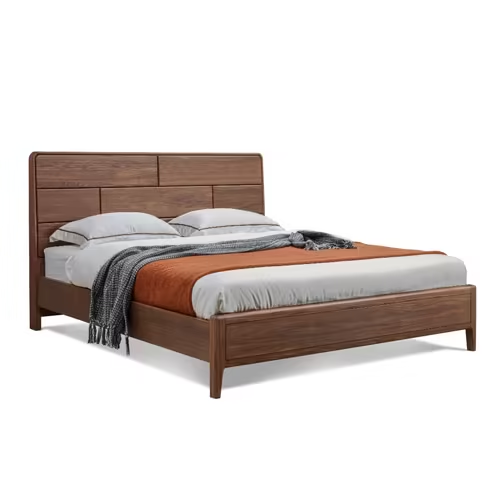
Rhythm in design refers to the repetition of lines, shapes, or materials.
For example, the Muge-D1106 Double Bed uses evenly spaced horizontal wood slats on the headboard. These lines create a sense of rhythm that guides the viewer’s eye horizontally across the room, producing a calm and ordered visual experience.
Visual Weight
Visual weight refers to how heavy or dominant an object appears in a space.
Dark wood furniture such as walnut-toned ebony naturally carries greater visual weight. To balance this effect, designers often pair darker furniture with lighter bedding, neutral walls, and natural lighting.
This technique ensures the furniture anchors the room without overwhelming it.
Hidden Benefit #5: Ergonomic Design for Better Sleep
Sleep quality is influenced by more than just the mattress. Bed frame design also plays an important role in comfort and support.
Ergonomic Considerations in Bed Design
Modern ergonomic studies suggest that the optimal bed height should allow users to sit comfortably with both feet flat on the floor.
Typical ergonomic recommendations suggest:
- Bed height: 45–60 cm from floor to mattress surface
- Headboard angle: slight recline for back support
- Bed width: adequate personal movement space
Custom bedroom furniture allows designers to adjust these dimensions precisely.
Platform Bed Advantages
The Muge-D1106 platform bed design offers several ergonomic benefits:
- Elevated frame improves airflow around the mattress
- Higher base simplifies cleaning beneath the bed
- Strong support reduces mattress sagging over time
Better ventilation also reduces moisture buildup, which can extend mattress lifespan.
Research from sleep environment studies indicates that improved mattress ventilation can reduce humidity levels in bedding by up to 20%, which contributes to better hygiene and sleep comfort.
Hidden Benefit #6: Long-Term Value and Sustainability
While the initial cost of custom bedroom furniture may be higher than mass-produced alternatives, the long-term value is often significantly greater.
Furniture Lifespan Comparison
| Furniture Type | Average Lifespan | Repairability |
|---|---|---|
| Solid Wood Custom Furniture | 30–50 years | High |
| Veneer Furniture | 10–20 years | Limited |
| Particle Board Furniture | 5–10 years | Very low |
Source references include data summarized from furniture durability studies cited in the Wood Handbook published by the Forest Products Laboratory.
Solid wood furniture can often be refinished, repaired, or restored, extending its lifespan for decades.
Environmental Impact
Custom bedroom furniture also supports sustainability in several ways:
- longer product lifespan reduces waste
- natural materials are biodegradable
- repairability decreases replacement frequency
Furniture that lasts multiple decades contributes significantly less to landfill waste compared to short-life furniture products.
Custom Bedroom Furniture vs Mass-Produced Bedroom Furniture
Understanding the differences between custom and mass-produced furniture helps homeowners make informed decisions.
| Feature | Custom Bedroom Furniture | Mass Produced Furniture |
|---|---|---|
| Size flexibility | Fully customizable | Fixed dimensions |
| Materials | Often solid wood | Engineered materials |
| Craftsmanship | High attention to detail | Standardized production |
| Structural stability | Traditional joinery possible | Often screw-based assembly |
| Longevity | Decades | Moderate lifespan |
While mass production offers convenience, customization focuses on long-term quality and spatial integration.
Material Science Behind Solid Wood Bedroom Furniture
Materials determine not only durability but also tactile experience and visual atmosphere.
Why Solid Wood Remains a Premium Choice
Hardwoods such as ebony and walnut are often chosen for bedroom furniture because they combine structural strength with aesthetic depth.
Key Material Characteristics
Density
Hardwood density contributes to strength and durability. Dense wood resists dents and structural deformation.
Grain Pattern
Natural grain patterns create unique visual textures that engineered surfaces cannot replicate.
Aging Behavior
High-quality wood often develops a richer patina over time, enhancing visual depth.
Wood Performance Comparison
| Wood Type | Density (kg/m³) | Durability | Appearance |
|---|---|---|---|
| Ebony | 950–1100 | Very High | Deep dark grain |
| Walnut | 610–700 | High | Rich brown tone |
| Oak | 700–750 | High | Strong visible grain |
Higher density wood often provides superior durability for load-bearing furniture such as beds.
Design Case Studies in Custom Bedroom Furniture
Examining real design examples helps illustrate how custom bedroom furniture functions in practical environments.
Case Study 1: Sculptural Bed Design
The D1107 King Panel Bed features a tall curved headboard that introduces a sculptural presence to the bedroom.
Design Highlights
- curved headboard softens architectural lines
- walnut-toned ebony provides visual warmth
- minimal detailing emphasizes material quality
This design transforms the bed into a visual centerpiece while maintaining simplicity.
Case Study 2: Architectural Rhythm
The Muge-D1106 Double Bed reflects architectural inspiration through its horizontal slatted headboard.
Design Characteristics
- repeating horizontal lines create rhythm
- solid wood construction ensures durability
- minimalist design complements multiple interior styles
This approach balances traditional craftsmanship with contemporary aesthetics.
Case Study 3: Upholstered Comfort and Modern Luxury
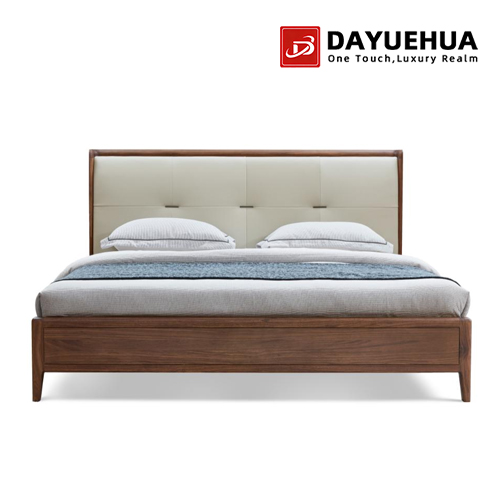
The Samsung Moon Companion – D1101 King Bed introduces soft upholstery combined with natural wood framing.
Design Elements
- segmented leather headboard panels
- subtle metallic decorative accents
- warm wood frame supporting soft textures
The combination of materials creates a layered visual experience that blends comfort with modern elegance.
Planning Custom Bedroom Furniture for Different Room Sizes
Different bedroom sizes require different furniture strategies.
Small Bedrooms
Key priorities include:
- minimizing visual clutter
- selecting lower bed frames
- maximizing circulation space
Custom furniture allows designers to adjust bed width and headboard thickness to prevent overcrowding.
Medium-Sized Bedrooms
This layout allows greater design flexibility.
Possible strategies include:
- statement headboards
- integrated bedside tables
- balanced furniture symmetry
Large Bedrooms
Larger rooms benefit from furniture that establishes visual anchors.
Options include:
- taller headboards
- wider bed frames
- complementary storage furniture
These elements help prevent the room from feeling visually empty.
Maintenance Science for Solid Wood Bedroom Furniture
Proper care significantly extends the lifespan of wooden furniture.
Daily Cleaning
Dust should be removed using soft microfiber cloths to prevent surface scratches.
Avoid excessive moisture when cleaning wooden surfaces.
Humidity Control
Wood is a natural material that responds to environmental humidity.
Recommended indoor humidity range:
- 40%–60% relative humidity
Maintaining stable humidity prevents cracking or warping.
Surface Protection
Using mattress protectors and breathable bedding can reduce moisture accumulation around wooden frames.
Occasional application of natural wood oils may help preserve surface appearance.
Conclusion
Custom bedroom furniture represents more than a design trend. It reflects a deeper shift in how people approach living spaces. Rather than purchasing furniture solely for function, many homeowners now seek pieces that combine durability, craftsmanship, and personal meaning.
From the sculptural presence of the D1107 King Panel Bed to the architectural rhythm of the Muge-D1106 design and the upholstered elegance of the D1101 King Bed, carefully crafted furniture transforms the bedroom into a space that supports both comfort and aesthetic harmony.
By focusing on thoughtful materials, structural stability, and timeless design principles, custom bedroom furniture allows individuals to create environments that promote rest, creativity, and long-term wellbeing.
FAQ
Is custom bedroom furniture more expensive?
Custom furniture usually requires higher initial investment due to specialized craftsmanship and materials. However, longer lifespan often reduces long-term replacement costs.
How long does custom bedroom furniture last?
High-quality solid wood furniture can last 30 years or more, especially when maintained properly.
Can custom beds support heavier weight loads?
Yes. Structural designs using reinforced joinery and solid wood frames can support significantly higher loads than many standard bed frames.
Is solid wood better than engineered wood?
Solid wood generally offers superior durability, repairability, and aesthetic aging properties.
Does custom furniture increase home value?
Well-designed interior furniture can enhance perceived interior quality, particularly in luxury residential environments.