
Table of Contents
Introduction
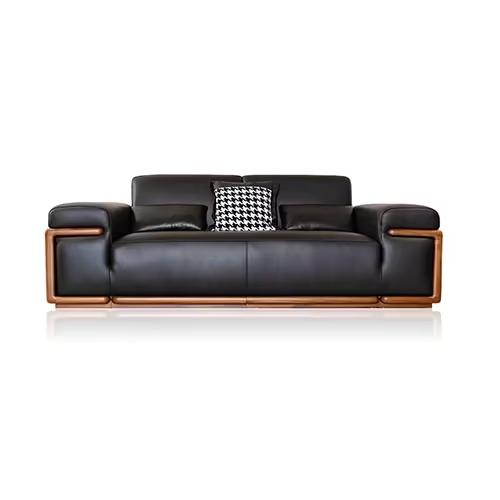
Custom built furniture has become an important solution for projects that require unique designs, precise dimensions, and consistent quality. Unlike mass-produced furniture that follows fixed specifications, custom built furniture is created according to specific requirements, allowing manufacturers to combine design concepts, functional needs, and material characteristics into one complete solution.
For professional buyers, designers, and project developers, understanding the manufacturing process is essential when selecting a furniture partner. A reliable custom furniture manufacturer does not simply produce furniture pieces but manages the complete process from concept development and material selection to production control and final inspection.
With increasing demand for personalized interiors and project-based furniture solutions, the manufacturing process behind custom built furniture has become a key factor that determines product quality, durability, and long-term performance.
Understanding What Custom Built Furniture Means
Definition of Custom Built Furniture
Custom built furniture refers to furniture that is specially designed and manufactured based on specific requirements rather than produced according to standard factory models. Every aspect, including size, structure, materials, finishing style, and functional features, can be adjusted according to the project needs.
Compared with ready-made furniture, custom built furniture provides greater flexibility. It allows furniture manufacturers to create solutions for different spaces, design concepts, and usage environments.
The concept of customization is closely connected with traditional craftsmanship and modern manufacturing technology. Furniture manufacturing combines design, material processing, and production techniques that have developed through centuries of craftsmanship. Related concepts of furniture development and production reflect the long history of this industry.
Why Custom Built Furniture Is Becoming More Popular
The demand for custom built furniture continues to grow because modern spaces often require furniture that fits specific layouts and design standards.
Several factors contribute to this trend:
- Better space utilization for unique layouts
- More personalized interior design requirements
- Higher expectations for furniture durability
- Increased demand for project-based furniture solutions
- Greater interest in sustainable and long-lasting products
According to research from the global furniture industry, customization and personalization have become important development directions as consumers and businesses increasingly value products that match their specific needs rather than standardized solutions.
The Initial Design Stage of Custom Built Furniture Manufacturing
Requirement Analysis and Project Consultation
The first step of custom built furniture manufacturing is understanding the project requirements. Professional manufacturers usually begin with detailed communication about:
- Furniture type and application
- Required dimensions
- Functional requirements
- Preferred materials
- Design style
- Production expectations
A successful customization project depends on accurate information collection at the beginning. A clear understanding of requirements helps avoid design changes during production and improves overall efficiency.
For example, furniture designed for residential spaces may focus more on comfort and aesthetics, while furniture for commercial projects may require stronger durability and standardized production management.
Design Development and Technical Confirmation
After requirements are confirmed, manufacturers develop detailed design solutions. This stage usually includes:
- Concept design
- Technical drawings
- Material confirmation
- Structure optimization
- Production feasibility evaluation
Professional furniture manufacturers use design tools and engineering knowledge to ensure that the final design is not only visually attractive but also suitable for manufacturing.
A well-developed design should consider both appearance and practical performance, including structural stability, assembly methods, and long-term usage.
Material Selection for Custom Built Furniture Production
Choosing Suitable Wood and Other Materials
Material selection plays an important role in determining the quality of custom built furniture. Different materials provide different characteristics in terms of strength, appearance, texture, and maintenance requirements.
Common considerations include:
| Material Factor | Importance in Furniture Manufacturing |
|---|---|
| Durability | Determines the service life and structural stability |
| Appearance | Influences overall design style and visual quality |
| Processing Performance | Affects manufacturing accuracy and finishing quality |
| Environmental Performance | Supports sustainable furniture solutions |
| Maintenance Requirements | Impacts long-term user experience |
Professional manufacturers evaluate materials based on the specific application rather than choosing materials only based on appearance. High-quality materials and refined production techniques are essential parts of creating durable furniture solutions, especially for manufacturers specializing in solid wood custom furniture.
Balancing Design, Function, and Material Performance
A successful custom built furniture solution requires balance between design goals and material performance.
For example, a visually attractive material may not always be the most suitable choice for high-use environments. Experienced manufacturers consider factors such as daily usage frequency, environmental conditions, and structural requirements before finalizing materials.
This professional approach helps create furniture that maintains both appearance and functionality over time.
Custom Built Furniture Production Process Explained

Cutting and Preparation
Once the design and materials are confirmed, production begins with material preparation.
During this stage, manufacturers perform:
- Material inspection
- Precision cutting
- Component preparation
- Size verification
Accurate cutting is essential because even small measurement differences can affect assembly quality and final appearance.
Assembly and Structural Manufacturing
The assembly stage determines the strength and stability of custom built furniture.
Manufacturers carefully combine individual components through professional production methods. Attention is given to:
- Connection strength
- Structural balance
- Assembly accuracy
- Functional performance
Experienced production teams ensure that furniture maintains reliability during long-term use.
Surface Treatment and Finishing
The finishing process gives furniture its final appearance and protective performance.
Depending on the design requirements, finishing may include:
- Surface polishing
- Protective coating
- Color adjustment
- Detail refinement
High-quality finishing improves not only the visual effect but also resistance against daily wear and environmental influences.
Quality Control Throughout Custom Built Furniture Manufacturing
Production Inspection
Quality control should be included throughout the entire manufacturing process rather than only at the final stage.
Professional manufacturers inspect:
- Material quality
- Processing accuracy
- Structural strength
- Surface condition
- Assembly results
Continuous inspection helps identify potential problems early and ensures stable production quality.
Final Inspection Before Delivery
Before shipment, completed furniture should undergo final evaluation.
The inspection process usually checks:
- Product dimensions
- Appearance consistency
- Functional operation
- Packaging protection
A complete quality management system helps manufacturers deliver reliable custom built furniture solutions for different applications.
OEM and ODM Services in Custom Built Furniture Manufacturing
OEM Custom Furniture Solutions
OEM services allow buyers to cooperate with manufacturers for customized production based on their own designs, specifications, or brand requirements.
A professional OEM partner provides:
- Manufacturing capability
- Production management
- Quality control support
- Flexible customization options
This cooperation model helps businesses develop unique furniture products without establishing their own production facilities.
ODM Design and Manufacturing Support
ODM services provide additional support by combining design and manufacturing capabilities.
Manufacturers with ODM experience can assist with:
- Product concept development
- Design improvement
- Material recommendations
- Production optimization
This creates a more efficient process from initial ideas to finished products.
Custom Built Furniture Applications for Different Projects
Residential Furniture Projects
Custom built furniture is widely used in residential projects where space planning and personalized design are important.
Common applications include:
- Living room furniture
- Dining furniture
- Bedroom furniture
- Storage solutions
Customization allows furniture to integrate better with interior layouts and design concepts.
Commercial and Hospitality Furniture Projects
Commercial spaces often require furniture solutions that combine appearance, durability, and consistent production.
Applications include:
- Hotels
- Restaurants
- Office environments
- Public spaces
For these projects, manufacturers need strong production capacity and quality management systems to meet larger-scale requirements.
How to Choose a Reliable Custom Built Furniture Manufacturer
Choosing the right manufacturer is an important decision for any customization project.
Key evaluation factors include:
Manufacturing Capability
A reliable manufacturer should have:
- Professional production facilities
- Experienced technical teams
- Stable production processes
- Quality management procedures
Factory capability directly affects delivery consistency and product reliability.
Experience and Quality Management
Experience helps manufacturers solve complex customization challenges.
Companies with strong manufacturing experience usually have better understanding of:
- Material characteristics
- Production difficulties
- Design optimization
- Quality control requirements
Customization and Communication Ability
Effective communication is essential throughout the customization process. A professional supplier should provide clear communication channels and customized solutions throughout the entire manufacturing process through a dedicated custom furniture consultation service.
Future Trends in Custom Built Furniture Manufacturing

The future development of custom built furniture will continue to focus on personalization, technology integration, and sustainable production.
Important trends include:
- More flexible manufacturing systems
- Digital design and production management
- Increased use of environmentally responsible materials
- Greater demand for project-specific furniture solutions
Modern furniture manufacturers are combining traditional craftsmanship with advanced production methods to create more efficient and reliable customization services.
Conclusion
Custom built furniture manufacturing is a complete process that combines design, material selection, production technology, and quality management. From the first design discussion to final production, every stage influences the final performance and value of the furniture.
For buyers seeking customized furniture solutions, choosing a manufacturer with strong technical capability, production experience, and quality control systems is essential. A professional manufacturing partner can transform design concepts into functional, durable, and visually appealing furniture products.
FAQ
What is custom built furniture?
Custom built furniture is specially designed and manufactured according to specific requirements, including dimensions, materials, style, and functions. It provides personalized solutions compared with standard furniture products.
How long does custom built furniture production take?
Production time depends on design complexity, material preparation, manufacturing processes, and project requirements. A professional manufacturer evaluates the timeline based on each individual customization project.
What materials are used for custom built furniture?
Custom built furniture can use various materials depending on design and performance requirements, including different types of wood, panels, metal components, and finishing materials.
Can manufacturers provide OEM and ODM custom built furniture services?
Yes. Many professional furniture manufacturers provide OEM and ODM services, supporting customers from design development and sample production to final manufacturing.
How do I choose a reliable custom built furniture manufacturer?
A reliable manufacturer should have strong production capability, quality control systems, customization experience, and effective communication throughout the entire manufacturing process.