
Table of Contents
Introduction
Dark wood furniture has always been associated with elegance, depth, and premium interior design. However, many people hesitate to use it because they fear it will make a room feel dark, small, or visually heavy.
The truth is, wood furniture is not inherently heavy in appearance. The perception of “heaviness” comes from how it is used within a space—especially in relation to lighting, proportion, layout, and material balance.
In professional interior design, dark materials are often used to create grounding and structure. When properly applied, dark wood furniture can actually make a space feel warmer, more stable, and more refined.
This guide explains how to use dark wood furniture in a way that feels warm, balanced, and visually light instead of overwhelming.
Core Principle: Dark Wood Needs Balance, Not Avoidance
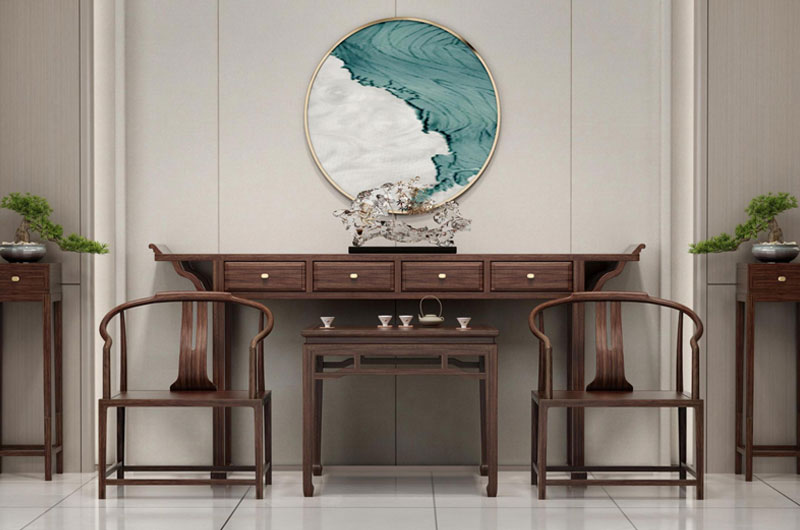
The key idea in designing with dark wood furniture is not to reduce its presence, but to balance it correctly.
Dark wood works best when paired with contrast, space, and light distribution.
Without balance, it dominates visually. With balance, it enhances depth and sophistication.
Why Dark Wood Furniture Feels Heavy (And How to Fix It)
There are three main reasons wood furniture can feel visually heavy:
1. Lack of Contrast
When dark wood is paired with similarly dark walls, flooring, or textiles, the space loses definition.
Result:
- Visual flattening
- Reduced depth perception
- Heavy overall atmosphere
Solution:
Introduce contrast through lighter elements such as textiles, walls, or lighting.
2. Poor Lighting Distribution
According to general interior lighting principles referenced in spatial design studies, darker materials absorb more light, which can reduce perceived space brightness if lighting is insufficient.
Result:
- Dim environment
- Reduced spatial clarity
Solution:
Use layered lighting:
- Ambient lighting
- Task lighting
- Accent lighting
3. Overuse of Dark Surfaces
Too many dark wood pieces in one area can visually compress the room.
Result:
- Overloaded appearance
- Reduced openness
Solution:
Limit dark wood concentration and distribute it across the space.
Design Strategies to Make Wood Furniture Feel Warm
1. Pair Dark Wood with Light Neutral Backgrounds
One of the most effective strategies is contrast balancing.
Best combinations:
- Dark wood + beige tones
- Dark wood + soft white
- Dark wood + light grey
Why it works:
Light surfaces reflect brightness and reduce visual weight of darker materials.
2. Use Natural Light to Your Advantage
Dark wood furniture reacts strongly to lighting conditions.
Professional insight:
Rooms with larger natural light exposure reduce perceived heaviness of dark materials by improving reflection and shadow balance.
If natural light is limited:
- Use warm artificial lighting
- Avoid harsh overhead shadows
3. Introduce Soft Textures
Texture plays a major role in balancing visual weight.
Best options:
- Linen fabrics
- Wool or woven textiles
- Soft upholstered seating
These materials soften the rigid appearance of wood furniture.
4. Keep Floor Space Visually Open
One of the most overlooked design principles is negative space.
Recommendation:
Maintain clear floor visibility to prevent visual compression
This helps dark wood furniture “float” within the space instead of dominating it.
5. Use Mixed Material Layering
Dark wood works best when not used alone.
Effective combinations:
- Dark wood + glass
- Dark wood + light metal accents
- Dark wood + stone textures
This creates material depth and prevents monotony.
Dark Wood Furniture Design Strategy Table
| Strategy | Purpose | Visual Effect | Best Application |
|---|---|---|---|
| Contrast pairing | Reduce heaviness | Increases brightness | Living rooms |
| Lighting layering | Improve depth | Enhances clarity | All interiors |
| Texture mixing | Soften visuals | Adds warmth | Seating areas |
| Space control | Maintain openness | Reduces compression | Small rooms |
| Material balance | Avoid monotony | Adds dimension | Full interiors |
Real-World Case Study: Transforming a Heavy Dark Wood Room
Initial Situation:
A living space dominated by wood furniture including cabinets, seating, and tables, resulting in a visually dense environment.
Problems Identified:
- Insufficient contrast with surroundings
- Limited lighting layers
- Excess concentration of dark surfaces
- Lack of visual breathing space
Design Adjustments:
- Introduced lighter wall tones
- Added layered warm lighting
- Reduced central dark furniture density
- Balanced with soft textile elements
- Created clearer open floor zones
Outcome:
- Space felt significantly warmer
- Visual heaviness reduced
- Better spatial clarity
- Improved comfort perception
This case demonstrates that wood furniture is not the problem—its environment determines its visual impact.
Common Mistakes When Using Dark Wood Furniture
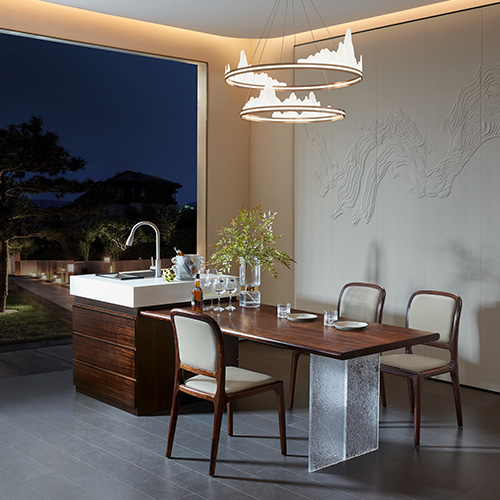
1. Using Dark Wood Everywhere
Problem:
No contrast or visual hierarchy.
Result:
Flat and heavy interior feel.
2. Ignoring Lighting Design
Problem:
Dark materials absorb too much visual light.
Result:
Dim and closed atmosphere.
3. Overcrowding the Room
Problem:
Too many large furniture pieces.
Result:
Reduced spatial flow.
4. Avoiding Light Elements Completely
Problem:
No balance with lighter materials.
Result:
Visual monotony.
How Dark Wood Furniture Enhances Interior Design
When used correctly, dark wood furniture provides:
- Strong visual grounding
- High perceived material quality
- Long-term durability
- Timeless design appeal
- Natural depth and richness
It is especially effective in creating structured, stable, and refined interiors.
Professional Framework for Warm Dark Wood Interiors
Interior designers typically follow this process:
- Define room lighting conditions
- Establish contrast strategy
- Select key dark wood furniture pieces
- Balance with lighter materials
- Optimize spatial openness
- Layer lighting design
- Refine texture and material mix
This ensures both warmth and visual lightness are achieved simultaneously.
Conclusion
Dark wood furniture is often misunderstood as visually heavy, but in reality, its impact depends entirely on how it is designed within a space.
By balancing contrast, improving lighting, controlling material distribution, and maintaining open space, dark wood furniture can transform a room into a warm, elegant, and highly refined environment.
When used correctly, it does not weigh a space down—it gives it structure, depth, and lasting visual character.
FAQ
Does dark wood furniture make a room look smaller?
Not if balanced with light colors, proper lighting, and open space planning.
How do you make wood furniture feel warm?
Use contrast, soft textures, and layered lighting.
What colors go best with dark wood furniture?
Neutral tones such as beige, white, and soft grey work best.
Is dark wood furniture still modern?
Yes, it is widely used in both modern and contemporary interior design.
Can wood furniture work in small spaces?
Yes, if used sparingly and balanced with light elements.
Need Help Designing a Warm Interior with Dark Wood Furniture?
If you’re unsure how to balance dark wood furniture without making your space feel heavy, our team can help you create a tailored interior solution that enhances warmth, comfort, and visual harmony. Contact us today for a professional consultation and bring balance and elegance into your space.