
Table of Contents
Introduction
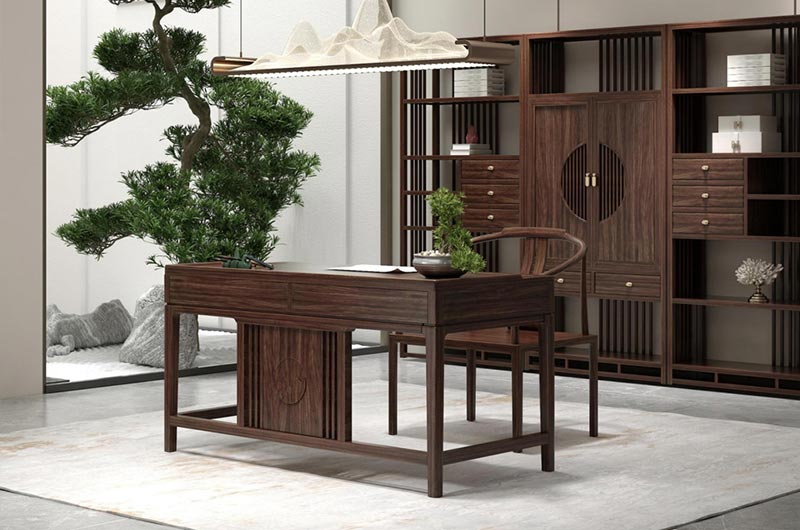
When choosing modern wood furniture, most people are drawn to design first—clean lines, minimal shapes, and contemporary aesthetics. However, appearance alone does not define quality.
In professional furniture evaluation, true value comes from a combination of materials, construction methods, finishing techniques, and long-term durability. Two pieces of modern wood furniture may look similar, but their lifespan and performance can be completely different.
This guide will help you understand how to identify high-quality modern wood furniture using practical, experience-based criteria used in furniture manufacturing and interior design evaluation.
Core Principle: Quality Is Built, Not Decorated
Before evaluating details, you should understand one key idea:
👉 High-quality modern wood furniture is defined by structure, not surface appearance.
Many low-quality pieces rely heavily on visual finishing while lacking internal strength. Premium furniture focuses on both visible beauty and hidden engineering.
Examine the Wood Type and Material Integrity
The first indicator of quality is the wood itself.
High-quality modern wood furniture typically uses:
- Solid hardwood or engineered wood with stable core structure
- Consistent grain patterns
- Minimal artificial layering on visible surfaces
Poor-quality furniture often uses:
- Thin veneers over low-density boards
- Inconsistent or heavily processed surfaces
- Weak internal composition
According to general furniture material performance studies referenced in wood engineering literature, denser hardwood structures tend to provide better resistance to deformation, especially under long-term load conditions.
Check the Joinery Method
Joinery determines how well furniture holds together over time.
High-quality modern wood furniture often uses:
- Mortise and tenon joints
- Dovetail joints
- Reinforced internal structural connections
Lower-quality furniture typically relies on:
- Screws alone
- Glue without structural reinforcement
- Metal brackets as primary support
Strong joinery ensures stability even after years of use.
Evaluate Surface Finishing Quality
Finishing affects both appearance and durability.
High-quality finishes should be:
- Smooth and evenly applied
- Resistant to minor scratches and moisture
- Free from bubbles, rough patches, or uneven coating
Poor finishing often shows:
- Visible brush marks
- Uneven gloss levels
- Quick wear or fading
Finishing is not just cosmetic—it protects the material underneath.
Test Structural Stability
One of the most practical checks is physical stability.
You can evaluate modern wood furniture by:
- Lightly applying pressure to joints
- Checking wobbling or instability
- Observing weight distribution
High-quality furniture should feel solid and balanced without movement at connection points.
Analyze Design Proportion and Functionality
Good modern wood furniture balances aesthetics with usability.
Key indicators include:
- Proportional balance between height, width, and depth
- Functional spacing for real-world use
- Ergonomic design alignment
Poor design often prioritizes appearance over practicality, leading to discomfort or inefficient use.
Modern Wood Furniture Quality Comparison Table
| Feature | High-Quality Furniture | Low-Quality Furniture |
|---|---|---|
| Material type | Solid hardwood or stable engineered core | Thin veneer or low-density board |
| Joinery | Mortise and tenon, reinforced joints | Screws or glue-only connections |
| Surface finish | Smooth, durable, consistent | Uneven, prone to wear |
| Stability | Strong and balanced | Wobbly or unstable |
| Design function | Ergonomic and practical | Style-focused, less functional |
| Lifespan | Long-term durability | Short-term usability |
Understand Weight as a Quality Indicator

While not always definitive, weight can be a useful indicator.
High-quality modern wood furniture tends to:
- Feel heavier due to dense material
- Maintain balance without shifting
- Resist easy movement or instability
However, weight alone is not enough—it must be considered alongside structure and material type.
7. Inspect Internal Construction
For furniture with accessible interiors, you can check:
- Reinforcement structures inside drawers or cabinets
- Thickness consistency of wood panels
- Presence of structural supports
High-quality products invest in internal construction even where it is not visible.
Real-World Insight: Why Many Furniture Failures Happen
In furniture manufacturing, most long-term failures are not caused by surface damage but by structural weakness.
Common issues include:
- Joint loosening over time
- Frame deformation under load
- Material fatigue in low-density boards
According to general furniture durability research in material engineering studies, structural joints and core density are among the most important factors affecting long-term performance.
This is why two visually identical pieces can have completely different lifespans.
Common Mistakes When Evaluating Modern Wood Furniture
1. Focusing Only on Appearance
Problem:
Beautiful design does not guarantee durability.
2. Ignoring Joinery Details
Problem:
Hidden structure determines long-term stability.
3. Overlooking Material Density
Problem:
Lightweight materials may reduce durability.
4. Not Testing Physical Stability
Problem:
Visual inspection alone is not enough.
Professional Evaluation Framework
When assessing modern wood furniture, professionals typically follow this process:
- Identify material type and density
- Check joinery structure
- Evaluate surface finishing
- Test stability and balance
- Analyze design functionality
- Consider long-term durability expectations
This structured approach ensures accurate quality assessment.
Conclusion
Identifying high-quality modern wood furniture requires more than visual judgment. It requires understanding how materials, construction methods, and design principles work together to create long-term durability.
When you focus on structure rather than surface, you can clearly distinguish between furniture that simply looks modern and furniture that is truly built to last.
High-quality modern wood furniture is not defined by appearance alone—it is defined by engineering, craftsmanship, and thoughtful design execution.
FAQ
What defines high-quality modern wood furniture?
It is defined by strong materials, solid joinery, stable structure, and durable finishing.
Is solid wood always better than engineered wood?
Not always. High-quality engineered wood can outperform low-grade solid wood if properly constructed.
How can I test furniture stability?
Apply gentle pressure and check for wobbling or weak joints.
Does weight mean better quality?
Often yes, but it must be combined with structural evaluation.
What is the most important quality factor?
Joinery and internal structure are the most critical factors.
Looking for High-Quality Modern Wood Furniture?
If you’re looking for durable, well-constructed modern wood furniture with strong craftsmanship and long-term reliability, our team can help you customize solutions tailored to your project needs. Contact us today to explore professional furniture manufacturing and customization options designed for performance, quality, and lasting value.