
Table of Contents
Ebony is one of the most fascinating materials in the world of wood. Its deep black tones, incredible density, and cultural significance make it both prized and mysterious. Yet for many furniture buyers, designers, and procurement professionals, what ebony truly is and how to use it effectively remains unclear.
This guide will help you understand what blackwood is, where it comes from, how it’s graded, how it behaves in furniture, and how to choose and specify ebony for high‑end design and production.
What Is Ebony?

At its core, blackwood is a dense hardwood, typically colored very dark brown to jet‑black. It comes from trees in the Diospyros genus, most often Diospyros crassiflora, D. ebenum, and related species found in tropical regions.
Unlike many other woods that range in color and texture, the almost uniformly dark heartwood of blackwood is its defining feature. This makes it both visually unique and technically exceptional.
Ebony by the Numbers
| Attribute | Description |
|---|---|
| Scientific Genus | Diospyros |
| Typical Color | Deep black to dark brown |
| Janka Hardness | 3,220 lbf (very high) |
| Density | ≈ 1,080–1,220 kg/m³ |
| Common Uses | Fine furniture, musical instruments, turning work, luxury details |
| Typical Price (raw lumber) | Very high (market fluctuation) |
The Janka hardness rating over 3,000 lbf places ebony amongst the densest natural woods in the world — significantly harder than oak, maple, or walnut. This density gives blackwood outstanding wear resistance but also creates machining challenges.
Where Ebony Grows: Geographic Distribution and Forestry Practices
Ebony trees grow naturally in tropical climates. Major historical sources include:
- West Africa (e.g., Gabon, Cameroon)
- Southeast Asia
- Sri Lanka and India
Because blackwood grows slowly and often in fragile forest ecosystems, sustainable sourcing is a major concern.
🌿 For information on worldwide trade and sustainability standards, you can refer to the CITES Appendix II listing for Diospyros species.
Sustainability Challenges in Ebony Supply
| Issue | Impact |
|---|---|
| Slow Tree Growth | Long regeneration cycles |
| Illegal Logging | Loss of biodiversity |
| Limited Plantation Development | Supply scarcity |
| High Demand in Luxury Goods | Price pressure |
Visual and Physical Properties: What Sets Ebony Apart
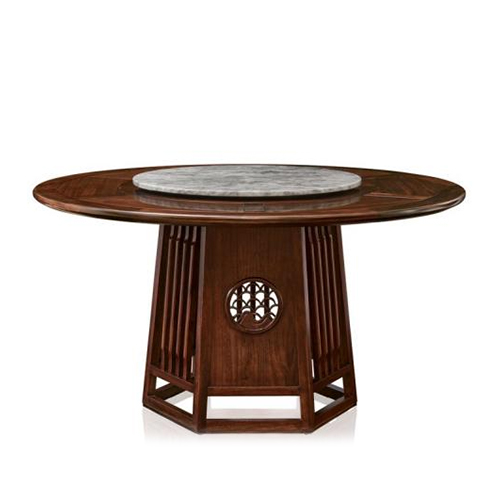
Color and Appearance
Ebony is most known for these features:
- Uniform black heartwood
- Occasional dark brown streaks
- Fine, closed grain leading to a smooth surface
This makes it ideal for accent pieces, inlays, and furniture details where color consistency is paramount.
Density and Hardness
Because blackwood is so dense:
- It can dull tools quickly during machining.
- It resists scratches and dents better than most hardwoods.
- It requires careful finishing to avoid surface defects.
Example: Ebony piano keys—historically sought for their smooth touch and longevity.
Workability
Workability challenges include:
- Blunting cutting tools
- Potential for surface checking or cracking
if drying is not controlled
Skilled craftsmen often pre‑condition blackwood by acclimating it slowly to workshop humidity before working with it.
Types and Grading of Ebony for Furniture Applications
Although there is no single universal grading system, the industry generally recognizes grades based on factors like color consistency, grain uniformity, and size.
Common Grading Descriptors
- Carving/Raw Grade: Larger, rough blocks for turning or carving work
- Furniture Grade: Stable boards with uniform color
- Premium Grade: Highest-quality boards with near-perfect appearance
A well‑graded piece is essential for furniture applications—grain irregularities or sapwood presence can greatly affect both aesthetics and structural performance.
Typical Applications of Blackwood in Furniture and Design
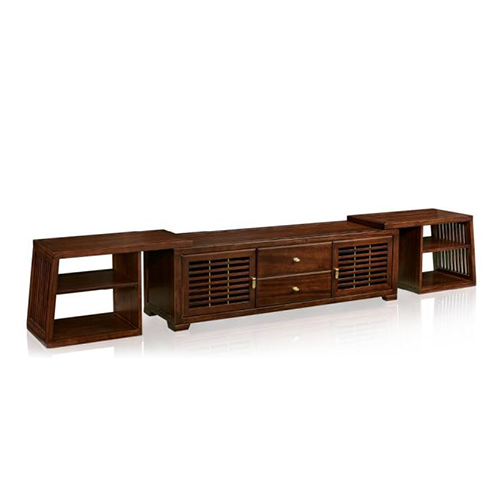
Ebony’s qualities make it suitable for a range of high-end uses:
Inlays and Decorative Details
Ebony frequently appears in:
- Edge inlays on tabletops
- Decorative marquetry panels
- Trims and accents
Its contrast against lighter woods like maple or ash creates striking visual effects.
Structural Elements
In furniture pieces where wear happens—such as:
- Drawer pulls
- Leg caps
- Handles
Ebony stands up well due to its density and surface durability.
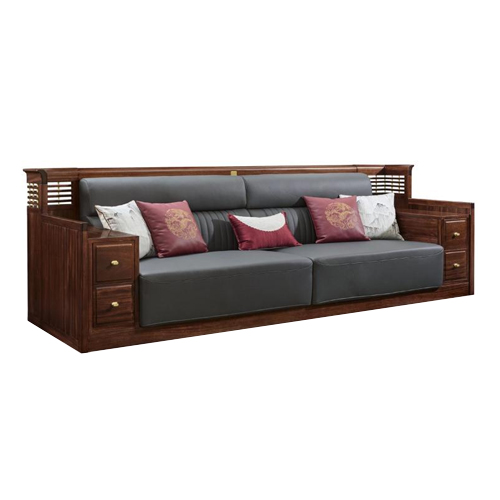
Mixed Material Designs
Ebony often pairs beautifully with:
- Metal (brass or stainless steel)
- Leather upholstery
- Natural stone tops
This blend is common in modern, luxury furniture.
Case Study: Dining Table with Blackwood Accent Bands
A custom dining table project incorporated blackwood bands around a walnut tabletop edge. The designer chose ebony for its deep contrast and long-term durability. To prevent splitting, the craftsman:
- Conditioned the wood for 6 weeks
- Stabilized moisture content to 7–9%
- Used high-precision routers with carbide bits
The result was a visually stunning piece with zero finishing defects — demonstrating how careful handling translates to quality outcomes.
Working with Ebony: Best Practices for Designers and Craftsmen
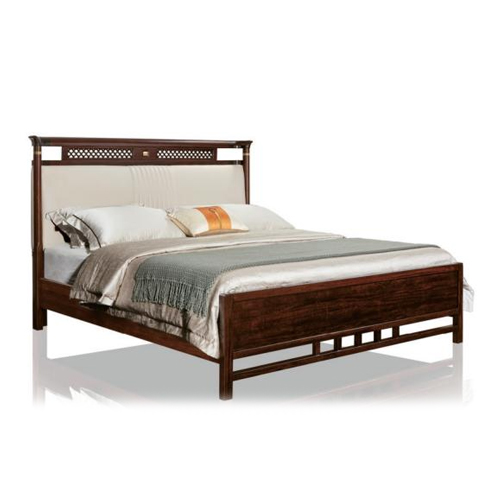
Because blackwood is different from average hardwoods, follow these tips:
Conditioning and Moisture Control
- Target moisture content: 7–9%
- Use controlled humidification/desiccation to balance boards
- Avoid rapid changes in climate
Machining Techniques
- Use sharp carbide tooling
- Slow feed rates reduce burn marks
- Avoid overheating the wood during cutting
Finishing Strategies
Because of its density:
- Blackwood may repel oils and stains
- Use rub-on finishes or polish techniques
Example finishing process:
- Sand from 220 to 600 grit
- Apply thin clear coat (e.g., lacquer or wax)
- Buff with soft cloth for sheen
This process enhances the wood’s natural luster without obscuring grain or color.
Cost Considerations: Why Blackwood Is Premium
Ebony commands a high price when compared to other hardwoods due to:
- Scarcity of mature trees
- Difficulty in harvesting and milling
- High demand from high-end markets
Approximate Relative Cost Comparison
| Wood Species | Relative Price Index (Base = Oak: 100) |
|---|---|
| Red Oak | 100 |
| Maple | 120 |
| Walnut | 250 |
| Ebony | 800+ |
Note: Actual prices vary by region and supplier due to scale, harvest legality, and transport.
Alternatives to Blackwood: Safer or More Sustainable Choices
Because of sustainability concerns and cost, alternative woods and materials are sometimes used:
| Alternative | Reason |
|---|---|
| Wenge | Dark aesthetic with slightly lower cost |
| Macassar Ebony | Striated pattern, visually distinctive |
| Ebonized Maple/Oak | Stained wood to mimic blackwood look |
| Engineered Composites | More affordable and stable |
For those wanting dark aesthetics with less environmental impact, these alternatives can be specified depending on project goals.
Real-World Procurement Factors for Business Buyers
When acquiring blackwood for furniture production or design projects:
Making the Right Decision: When Should You Use Blackwood?
Ebony should be specified when:
- The design calls for deep, consistent black wood
- Exceptional wear resistance matters
- High-end visual impact is a priority
However, if cost control or sustainability is more important, consider alternatives.
Conclusion
Ebony is more than just a dark, luxurious wood—it is a versatile material with unmatched density, durability, and visual appeal. Whether you are designing high-end furniture, creating intricate inlays, or specifying materials for a full home custom project, understanding blackwood’s unique properties will help you make informed decisions.
By carefully selecting the right grade, sourcing responsibly, and applying best practices in machining and finishing, you can ensure that your blackwood pieces not only look stunning but also last for generations.
FAQ
Is ebony real wood or synthetic material?
Ebony is 100% natural hardwood harvested from Diospyros species in tropical climates. Its density and color are natural, not artificial.
Why is blackwood so expensive?
Its slow growth, scarcity, high demand, and processing difficulties contribute to higher pricing compared to other hardwoods.
Can blackwood be used outdoors?
Because of its density and natural oils, blackwood can resist moisture, but environmental exposure still risks cracking. It’s typically better suited for indoor high-end furniture.
How does blackwood compare to wenge or macassar?
Blackwood is usually darker and denser. Wenge has more visible grain, and macassar has striped patterns. Each has different aesthetic and technical properties.