
Table of Contents
When you think about your ideal home, what comes to mind? Warm, inviting living spaces. A dining room that brings the family together. A bedroom that feels peaceful night after night. Now imagine those spaces filled with furniture that feels uniquely yours — not off‑the‑shelf pieces that everyone else has, but custom home furniture crafted to match your lifestyle, your space, and your tastes.
In this guide, you’ll discover exactly how custom home furniture can elevate your home, what the process looks like, and how to make smart choices that combine beauty, comfort, and long‑term value. We’ll include real examples, decision‑making frameworks, data you can trust, and practical steps you can implement today.
What “Custom Home Furniture” Really Means
At its heart, custom home furniture is furniture designed and built specifically for your needs — not mass produced, not from a catalog, but created to fit you.
Custom home furniture differs from bespoke and made‑to‑order designs in how much control you have over selection:
| Feature | Custom | Standard | Bespoke |
|---|---|---|---|
| Design tailored to you | ✅ | ❌ | ✅ |
| Choice of materials | Full control | Limited | Full control |
| Dimension flexibility | Complete | Fixed | Complete |
| Function & performance spec | Yes | No | Yes |
| Production quantity | One or few | High volume | One |
In most cases, custom home furniture lets you define:
- Dimensions — perfect fit for oddly shaped walls or unique room sizes
- Materials — your choice of woods like black ebony or walnut toned ebony
- Functionality — added storage, unique desk setups, niche solutions
- Finishes — smooth satin oil, rich lacquer, hand‑rubbed sealants
Why Choose Custom Over Ready‑Made Furniture?
For most homeowners and interior designers, the choice comes down to fit, function, and longevity.
Precise Fit for Your Space
Standard furniture is built to a broad range of sizes — often leaving you with:
- Too much empty space
- Pieces that don’t line up with room features
- Gaps next to windows or doors
Custom home furniture eliminates guesswork. For example, if your living room wall is 13 feet long with a radiator in the corner, a custom TV credenza or console can be built to fit perfectly — maximizing storage without blocking airflow.
Function That Makes Sense
Custom designs let you solve real problems. A practical example:
Case Study — Multi‑Purpose Living Room Cabinet
A homeowner reached out with this requirement:
- Floor to ceiling couch wall
- Limited storage in the TV area
- Desire for a hidden workspace
Solution: A custom living cabinet system featuring:
- A pull‑out desk
- Integrated media storage
- Adjustable shelving
- Concealed cable routing
This wasn’t possible with a standard furniture set — and it instantly gave the living room more purpose and less clutter.
Better Materials = Longer Life
Mass‑produced furniture often uses:
- Particleboard
- Veneers that peel
- Fasteners that loosen over time
Custom home furniture gives you real wood — like black ebony and walnut toned ebony — that:
- Ages gracefully
- Can be refinished
- Has structural integrity
Popular Custom Home Furniture Categories
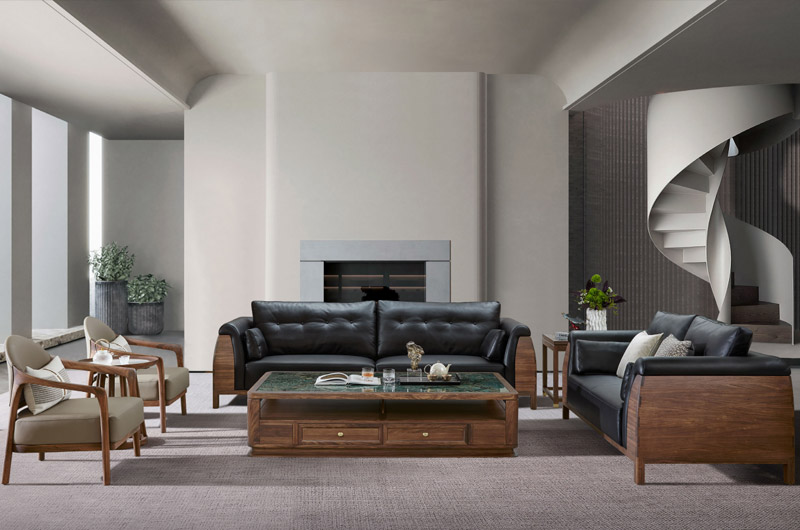
Your interior functions as a whole — and the furniture within it should support how you live. Below are some custom home furniture categories with practical use scenarios.
Living Room Series — Function Meets Form
The living room is often the heart of the home. Custom living room furniture can include:
- TV consoles with hidden storage
- Modular shelving systems
- Everyday seating that accommodates everyone
- End tables with wireless charging integration
Key Benefits
- Storage where you really need it
- Height and depth tailored to your seating plan
- Hidden components for a cleaner look
Data Snapshot — Custom vs Standard Living Room Sets
| Feature | Custom | Standard |
|---|---|---|
| Space optimization | High | Medium |
| Personal style alignment | High | Low |
| Long‑term durability | High | Varies |
| Cost | Higher upfront | Lower upfront |
Modern designs also welcome tech integration — charging docks, cable channels, and speaker niches — something often missing in standard catalog furniture.
Living Room Cabinet Solutions
Cabinets aren’t just boxes — they can be:
- Art display hubs
- Library walls
- Hidden mini‑bars
- Sound system enclosures
Example Project — Floating Living Cabinet
A homeowner wanted a cabinet system that felt light, open, and modern despite being made from heavy hardwood.
The custom solution featured:
- Wall‑mounted cabinets with recessed lighting
- Adjustable glass shelving
- Space for sound system equipment
- Integrated hidden outlets
The result: a living room that feels open and functional, not cluttered.
Dining Room Series — Entertaining Made Easy
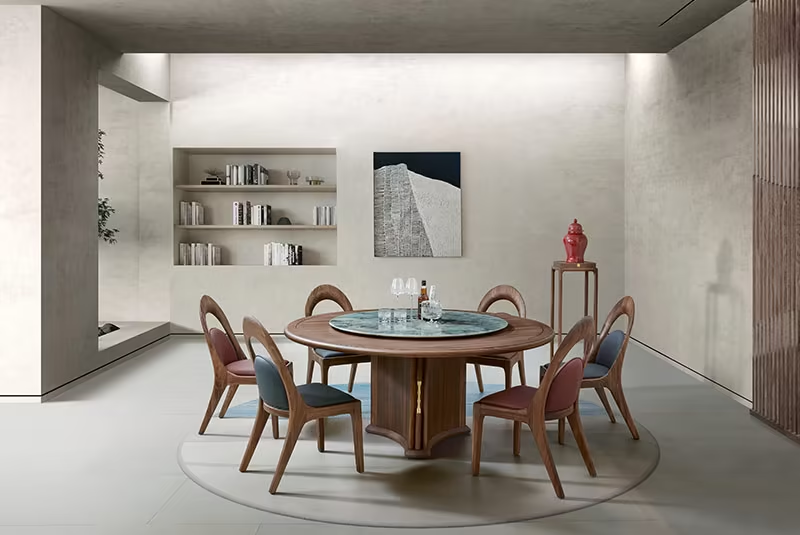
Dining furniture isn’t just about meals — it defines how you host.
Custom dining sets can:
- Extend for large gatherings
- Include built‑in storage benches
- Feature hidden leaves
- Match existing flooring or paneling
Space Planning Tip: Allow at least 36 inches of clearance behind chairs so guests can move comfortably.
Real planning resources for dining room ergonomics are available at the American Society of Interior Designers.
Bedroom Series — Comfort Meets Craftsmanship
Your bedroom should be restful and functional. Custom bedroom furniture can help you:
- Maximize under‑bed storage
- Create walk‑in closet systems
- Build headboards with integrated lighting
- Customize nightstands to fit your bedtime routine
Real World Example — Customized Bedroom Set
Client needs:
- Wide‑screen TV above the dresser
- More drawer space
- Nightstands that match mattress height
Outcome:
- A dresser with tiered top levels
- Soft‑close drawers
- Nightstands with built‑in USB ports
Comfort, efficiency, and design in one setup.
For guidance on bedroom ergonomics and mattress compatibility, see resources at the National Sleep Foundation.
Study / Tea Room Series — Tailored for Focus and Relaxation
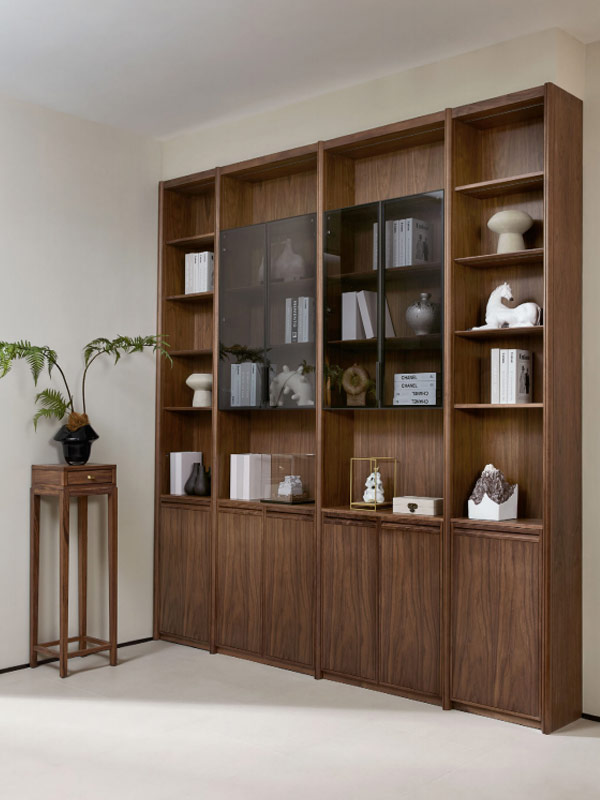
Custom pieces in this category may include:
- Wall‑to‑wall bookshelves
- Built‑in desks that match windows
- Reading nooks with tapered storage
- Tea tables designed for conversation and comfort
Case Study — Study Built‑In Wall System
A family needed a study space that would:
- House books and research materials
- Double as a small meeting area
- Provide task lighting without glare
Solution:
- Adjustable shelving for books of all sizes
- Pull‑out desk for flexibility
- Integrated LED task lighting
The result is a functional, elegant study tailored to how they work and live.
Healthy Sleep Mattress Series — Supporting the Furniture Around It
Mattresses are personal. Custom bed frames allow:
- Proper mattress support
- Ventilated slats
- Integration with bedroom aesthetics
- Hidden storage
Though mattresses themselves are often separate, a custom bed frame ensures your mattress performs its best.
For mattress health, research at the Better Sleep Council provides excellent science‑backed info.
Choosing Materials: Why Solids Outperform Veneers
Custom home furniture gives you freedom to choose the exact wood and finish — and that makes all the difference.
Your Material Options
Common hardwoods include:
| Wood Species | Texture | Durability | Look |
|---|---|---|---|
| Ebony (black) | Dense, smooth | Extremely high | Deep black elegance |
| Ebony (walnut toned) | Rich variation | Very high | Warm luxury feel |
| Other solid hardwoods | Varies | High | Classic choices |
Solid wood stands up to wear and tear far better than plywood or MDF, and can be refinished rather than thrown out.
The Custom Home Furniture Production Process — What to Expect
Understanding the workflow helps you plan and avoid surprises:
Step 1 — Initial Consultation
You share:
- Room measurements
- Functional needs
- Style preferences
- Budget constraints
A professional designer then translates ideas into sketches.
Step 2 — Design Approval
Once the sketches are agreed upon:
- Technical drawings are produced
- Materials are specified
- Timeline and price are finalized
Step 3 — Fabrication
Skilled craftsmen:
- Cut and prep wood
- Assemble components
- Sand and finish surfaces
Quality checks happen at every stage.
Step 4 — Delivery & Installation
Furniture is delivered and installed — often with alignment adjustments or built‑in anchoring.
This process is collaborative and transparent — you always know what’s happening next.
Conclusion
Custom home furniture empowers you to create solutions tailored to how you live. From perfect proportions to ideal materials like black ebony and walnut toned ebony, custom pieces elevate not just style, but function, comfort, and long‑term satisfaction.
Instead of settling for what’s available, design what works best — where you live, how you live, and how you want your home to feel every day.
FAQ
What is the difference between custom and bespoke furniture?
Custom home furniture is tailored to your needs, while bespoke often implies fully individualized design at the highest level of customization. Both are built to order, but bespoke is usually more exclusive.
Can custom home furniture be resold?
Yes — especially quality solid wood pieces. They often retain value better than standard furniture.
Are custom pieces more durable?
Yes — because they use better materials and construction methods than mass‑produced custom home furniture.
Do I need to prepare my room before installation?
Yes — measure walls, clear access paths, and ensure flooring can handle installation.