
Table of Contents
When you imagine a home that blends elegance, history, and functionality, you might picture spaces adorned with Chinese style furniture. These pieces are more than just décor; they embody centuries of craftsmanship, cultural symbolism, and thoughtful design. Whether you are furnishing a living room, bedroom, dining area, or study, understanding how to incorporate Chinese style furniture can transform your home from ordinary to exceptional.
In this comprehensive guide, you’ll learn what Chinese style furniture is, how to select the right pieces, the materials that make it last, practical design strategies, and real-world examples to guide your choices.
What Is Chinese Style Furniture?
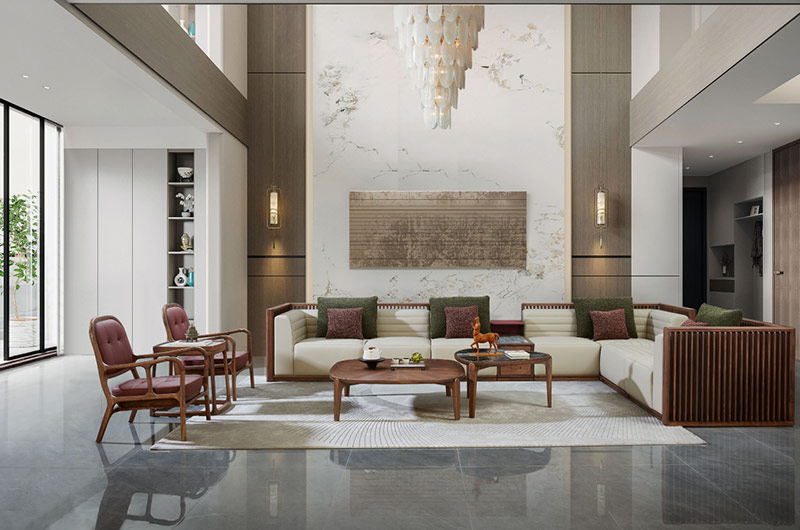
Chinese style furniture refers to furniture inspired by traditional Chinese designs that often emphasize simplicity, natural materials, elegance, and balance. Unlike mass-produced furniture, these pieces focus on proportion, craftsmanship, and functionality.
Some key characteristics include:
- Material focus: Typically solid wood, such as ebony or walnut-toned ebony, known for durability and a luxurious look.
- Minimal ornamentation: Clean lines and restrained carvings that highlight natural wood beauty.
- Functional design: Multi-purpose cabinets, seating, and storage built to fit daily needs.
- Symbolic elements: Subtle motifs inspired by nature, longevity, or prosperity.
Why Choose Chinese Style Furniture for Your Home?
Choosing Chinese style furniture isn’t just an aesthetic decision; it addresses practical and lifestyle considerations. Here’s why it may be the right choice for you:
Timeless Elegance
Unlike trend-driven furniture, Chinese style pieces maintain their appeal across generations. Their minimalist yet ornate craftsmanship ensures that your living spaces look elegant and harmonious.
Durability and Material Quality
When you choose solid wood Chinese style furniture, you invest in longevity. Ebony and walnut-toned ebony are especially resilient:
| Wood Type | Density (kg/m³) | Durability | Ideal Use |
|---|---|---|---|
| Ebony | 1080–1220 | Extremely high | Decorative cabinets, dining tables, seating |
| Walnut-toned ebony | 950–1100 | Very high | Bed frames, desks, display cabinets |
For more insights on wood properties, refer to Wood Database: Ebony.
Functional and Efficient Design
Chinese furniture often combines storage with elegance. For example, a Ming-style cabinet may feature:
- Multiple drawers
- Sliding doors to conceal storage
- Open shelving for display
This approach allows you to maintain a clean, organized home while embracing traditional design principles.
Living Room Cabinets

Custom cabinets in Chinese style are both functional and decorative. You might consider:
- Display cabinets for art or ceramics
- Media consoles with concealed wiring and storage
- Modular shelves that adapt to room size
Case Study: A client needed a TV wall with hidden storage and display space. The solution included ebony cabinets with sliding doors and integrated LED lighting. The room now balances aesthetics and technology seamlessly.
Dining Room Series
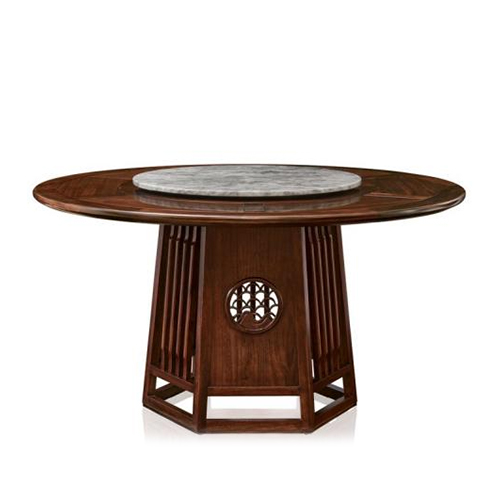
Chinese style dining furniture emphasizes both communal eating and elegant presentation. Custom pieces can include:
- Expandable dining tables in walnut-toned ebony
- Chairs with ergonomic design inspired by traditional forms
- Sideboards with hidden compartments for cutlery and linens
Space Planning Tip: Allow at least 36 inches of clearance between table and walls to ensure comfort for movement.
For dining ergonomics guidance, see American Society of Interior Designers.
Bedroom Series
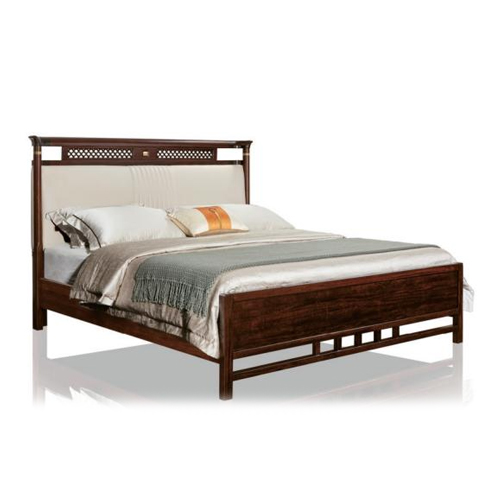
Your bedroom can benefit from custom Chinese style furniture that combines comfort and craftsmanship:
- Bed frames with clean lines and solid wood slats for mattress support
- Nightstands integrated with storage for convenience
- Dressers that balance aesthetics with functionality
Case Study: A homeowner requested a black ebony bedroom set with integrated storage drawers under the bed. This solution maximized space in a small room while keeping the design elegant.
For sleep ergonomics and furniture guidance, visit National Sleep Foundation.
Study/Tea Room Series
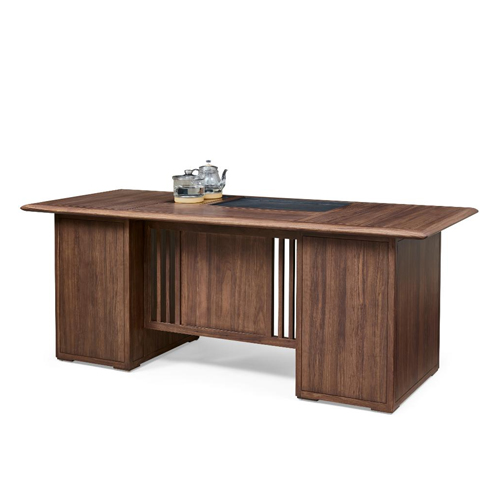
Chinese style furniture is ideal for focused, serene spaces like studies or tea rooms:
- Built-in bookshelves with adjustable shelves
- Compact desks designed for natural light
- Tea tables crafted with ebony for stability and elegance
Example: A custom tea room featured a walnut-toned ebony table with matching chairs. Adjustable shelving and hidden storage allowed the room to double as a reading nook, making it highly functional without sacrificing beauty.
Health & Sleep Mattress Series
While mattresses themselves may not be Chinese style, your bed frames can be. Custom bed frames:
- Support mattress longevity
- Include hidden storage or integrated nightstands
- Feature elegant wood finishes that match other bedroom furniture
Choosing the Right Materials for Chinese Style Furniture
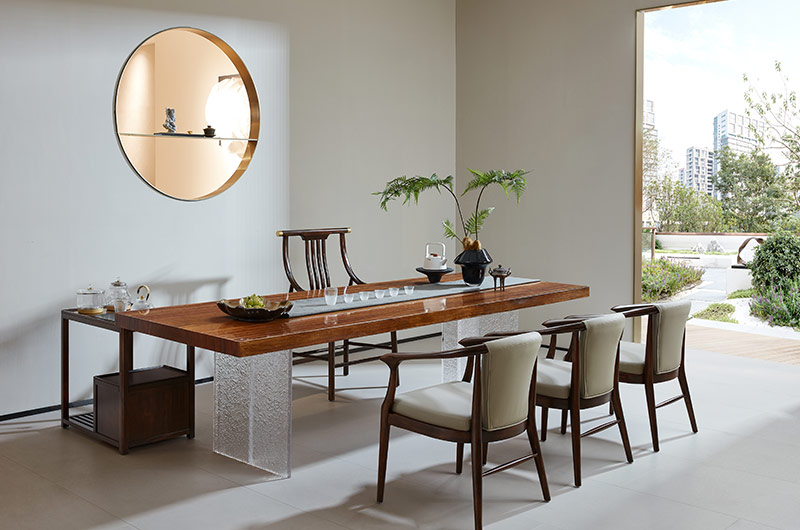
Material choice affects longevity, look, and functionality:
| Material | Properties | Typical Use | Maintenance |
|---|---|---|---|
| Black Ebony | Dense, extremely durable, deep black | Tables, display cabinets, chairs | Occasional polishing, humidity control |
| Walnut-toned Ebony | Slightly lighter, warm color, durable | Bed frames, desks | Regular dusting, avoid direct sunlight |
| Other hardwoods | Varying density and color | Chairs, side tables | Standard wood care |
Tip: Always select hardwoods over veneers for long-lasting furniture.
For detailed wood analysis, see Wood Database Species Chart.
Custom Chinese Style Furniture Process
Creating furniture that fits your lifestyle requires collaboration and planning:
- Consultation – Measure your space, define functional needs, and choose materials.
- Design Approval – Receive sketches and material samples, adjust dimensions, finalize style.
- Fabrication—Skilled craftsmen cut, assemble, sand, and finish each piece.
- Delivery & Installation – Furniture is installed carefully, with final adjustments and inspection.
This ensures your furniture fits perfectly and functions as intended.
Maintenance and Longevity
Proper care ensures your furniture lasts generations:
- Dust weekly with soft cloth
- Avoid direct sunlight
- Maintain humidity around 40–60%
- Use coasters and mats for protection
- Oil or wax periodically for solid wood
Real-World Case Studies
Case Study 1: Living Room Renovation
- Requirement: Open space with hidden storage and display
- Solution: Custom black ebony TV cabinet with sliding doors, modular shelves
- Outcome: Maximized function and minimized clutter while preserving Chinese aesthetic
Case Study 2: Bedroom Optimization
- Requirement: Compact room, need for storage under bed and around room
- Solution: Walnut-toned ebony bed frame with integrated drawers, matching nightstands
- Outcome: Increased storage and comfort without overwhelming space
Case Study 3: Tea Room Transformation
- Requirement: Calm space for reading and tea
- Solution: Custom ebony table with matching chairs, hidden shelving
- Outcome: Multi-functional, serene space reflecting traditional Chinese design
Conclusion
By choosing Chinese style furniture, you bring elegance, durability, and functionality to your home. Solid wood options like black ebony and walnut-toned ebony ensure long-lasting beauty. From living rooms to tea rooms, every piece can be tailored to your lifestyle, creating harmony, organization, and aesthetic balance. Thoughtful design, careful material selection, and proper maintenance allow your home to reflect both tradition and modern living.
Explore custom Chinese style furniture to elevate your space, optimize functionality, and create timeless interiors that truly reflect you.
FAQ
What defines Chinese style furniture?
Clean lines, functional design, solid wood, and subtle decorative motifs inspired by Chinese culture.
Is ebony better than walnut-toned ebony?
Ebony is denser, darker, and extremely durable; walnut-toned ebony offers warm aesthetics and slightly lighter weight.
Can Chinese style furniture fit modern interiors?
Yes—minimalist designs pair beautifully with contemporary spaces.
How do I maintain solid wood Chinese furniture?
Dust regularly, control humidity, avoid direct sunlight, and polish with appropriate oils/waxes.