
Table of Contents
Introduction
When arranging a living room, most people focus on choosing the right sofa or selecting a stylish wooden coffee table, but overlook one of the most important details: the distance between them.
This spacing is not just a design preference. It directly affects comfort, usability, movement flow, and even the overall perception of quality in a space.
In professional interior planning, the relationship between seating and table placement is treated as an ergonomic and spatial efficiency problem. If the distance is incorrect, even a well-designed wooden coffee table can feel awkward or impractical in daily use.
This guide explains the ideal spacing standards, real-world adjustments, and design logic behind proper sofa-to-table distance, based on interior design practice and ergonomic principles.
The Ideal Distance Between a Wooden Coffee Table and a Sofa
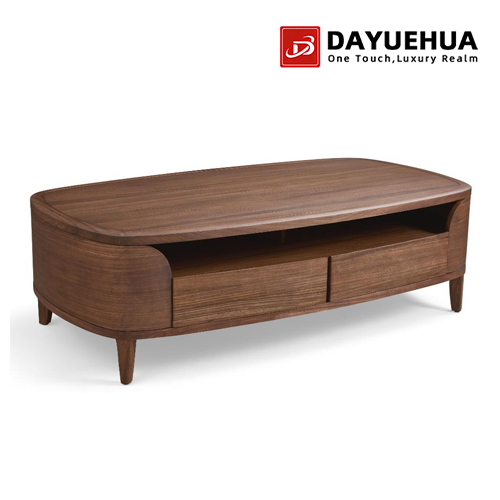
The most widely accepted standard in interior design is:
👉 40–50 cm (approximately 16–20 inches)
This range is considered optimal because it balances three key factors:
- Comfortable reach distance
- Natural walking flow
- Visual proportion between furniture pieces
Why 40–50 cm Works Best
From a usability perspective:
- At around 40 cm:
You can easily place or pick up items from the wooden coffee table without leaning forward excessively. - At around 50 cm:
There is enough space for legs, movement, and visual breathing room.
According to interior ergonomics guidelines referenced in spatial design practices (commonly used in residential planning standards), this range supports natural human movement without causing strain or obstruction.
When You Should Adjust the Standard Distance
Not all living spaces are the same. The ideal spacing must adapt to room size, furniture scale, and usage behavior.
1. Small Living Spaces
Recommended distance:
👉 30–40 cm
Why:
- Limited floor space requires tighter layouts
- Keeps essential furniture within functional reach
Important note:
Do not go below 30 cm, as it can restrict movement and make the space feel compressed.
2. Standard Residential Spaces
Recommended distance:
👉 40–50 cm
Why:
- Balanced proportion between seating and table
- Comfortable for daily use
- Works well with most wooden coffee table sizes
This is the most universally recommended range.
3. Large Open Spaces
Recommended distance:
👉 50–70 cm
Why:
- Larger rooms require stronger visual separation
- Prevents furniture from feeling too clustered
- Maintains spatial elegance in open layouts
4. High-Traffic Living Areas
Recommended distance:
👉 60 cm or more
Why:
- Improves walking flow
- Reduces accidental contact with furniture edges
- Enhances safety in shared spaces
Wooden Coffee Table Shape and Its Impact on Spacing
The material and shape of a wooden coffee table also influence how distance should be planned.
Round Wooden Coffee Tables
Best for:
- Compact or flexible layouts
Advantages:
- No sharp corners
- Easier movement around the table
- Allows slightly closer placement without discomfort
Rectangular Wooden Coffee Tables
Best for:
- Structured and symmetrical layouts
Considerations:
- Requires more precise spacing
- Sharp edges can feel intrusive if placed too close
Oval Wooden Coffee Tables
Best for:
- Balanced flexibility
Advantages:
- Combines flow of round tables with structure of rectangular ones
- Suitable for medium-sized living rooms
Sofa Type and Its Effect on Spacing
Different sofa designs interact differently with wooden coffee tables.
Standard Sofa
- Ideal distance: 40–50 cm
- Works for most living room layouts
Deep Seating Sofa
Recommended distance:
👉 45–60 cm
Why:
- Users sit deeper into the sofa
- Requires longer reach distance to the table
Sectional Sofa
Recommended distance:
👉 40–55 cm (based on main seating edge)
Tip:
Focus on the primary interaction side, not the full structure.
Height Relationship Between Sofa and Wooden Coffee Table
Spacing is not only horizontal. Vertical proportion matters equally.
Ideal Height Rule
The top of the wooden coffee table should be:
👉 Equal to or slightly lower than the sofa seat height
Why This Matters
- Too high: uncomfortable arm positioning
- Too low: requires excessive bending
- Proper alignment improves ergonomic comfort
Real-World Design Case Study
Scenario:
A living space with a wooden coffee table placed approximately 75 cm away from the sofa.
Issues Identified:
- Users found it inconvenient to reach the table
- The seating area felt disconnected
- The space lacked visual cohesion
Adjustments Made:
- Distance reduced to 45 cm
- Table repositioned to align with sofa center
- Rug adjusted to define seating zone
Outcome:
- Improved usability immediately
- Stronger visual connection between furniture
- More balanced spatial composition
This example demonstrates how small spacing changes can significantly impact daily living experience.
Wooden Coffee Table Spacing Reference Table
| Room Type | Recommended Distance | Key Benefit |
|---|---|---|
| Small space | 30–40 cm | Maximizes usability in tight areas |
| Standard room | 40–50 cm | Balanced comfort and flow |
| Large room | 50–70 cm | Improves visual spacing |
| High-traffic area | 60+ cm | Enhances movement safety |
| Deep sofa setup | 45–60 cm | Matches seating depth |
Common Mistakes in Coffee Table Placement
Even well-designed interiors often fail due to simple spacing mistakes.
1. Placing the Table Too Close
Problem:
- Restricts leg movement
- Creates a cramped feeling
2. Placing the Table Too Far
Problem:
- Reduces usability
- Breaks visual connection between sofa and table
3. Ignoring Table Proportion
Problem:
- Oversized tables dominate space
- Undersized tables feel disconnected
4. Overlooking Movement Paths
Problem:
- Interrupts natural walking flow
- Causes daily inconvenience
How Wooden Coffee Tables Improve Interior Design Quality
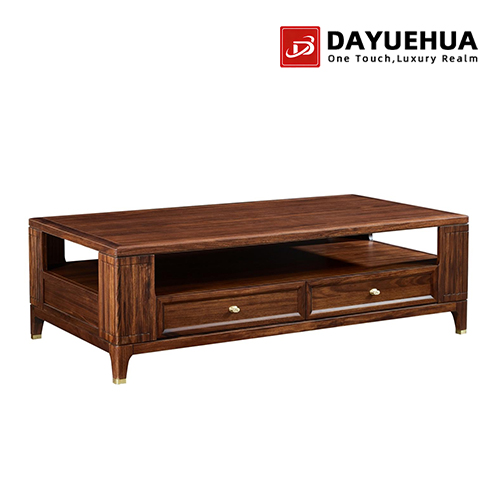
A wooden coffee table is more than a functional object. In interior design, it plays a central role in:
- Defining the seating zone
- Anchoring visual balance
- Creating material warmth
- Enhancing spatial structure
Solid wood, in particular, adds natural texture and stability to a room, making it feel more grounded and cohesive.
Professional Spacing Framework
Interior designers typically follow a structured method:
- Identify seating position
- Define circulation paths
- Set baseline distance (40–50 cm)
- Adjust based on room size
- Verify reach comfort and movement flow
This systematic approach ensures both functionality and aesthetics are balanced.
Conclusion
The distance between a sofa and a wooden coffee table may seem like a minor detail, but it significantly influences comfort, usability, and overall spatial harmony.
By following professional spacing guidelines and adjusting them based on room size, furniture type, and usage behavior, you can create a living space that feels both functional and visually balanced.
When paired with well-crafted wooden coffee tables, correct spacing enhances not only usability but also the perceived quality and refinement of the entire interior.
FAQ
What is the ideal distance between a wooden coffee table and a sofa?
The standard recommended distance is 40–50 cm for optimal comfort and usability.
Can I place a wooden coffee table closer in a small room?
Yes, but it should not be less than 30 cm.
How far is too far for a coffee table?
Anything beyond 70 cm may reduce usability and comfort.
Does the shape of a wooden coffee table affect spacing?
Yes, round and oval tables allow more flexible placement than rectangular ones.
Should spacing change for sectional sofas?
Yes, spacing should be adjusted based on the main seating edge.
Need Help Choosing the Right Wooden Coffee Table or Planning Your Living Room Layout?
If you’re unsure about dimensions, spacing, or how to match a wooden coffee table with your sofa and space, our team can help you design a solution tailored to your project needs. Contact us today for a professional consultation and create a living space that is functional, balanced, and built to last.