
When selecting a centerpiece for a high-end interior, the choice often rests on the material’s integrity and the artisan’s technique. For those evaluating a solid black walnut dining table against other premium hardwoods like ebony, the decision extends beyond surface aesthetics. It involves a deep dive into structural engineering, material density, and the long-term investment value of the piece. For procurement managers and interior designers, understanding these technical nuances is essential for delivering project solutions that stand the test of time.
Material Excellence: Solid Black Walnut and Ebony Specs
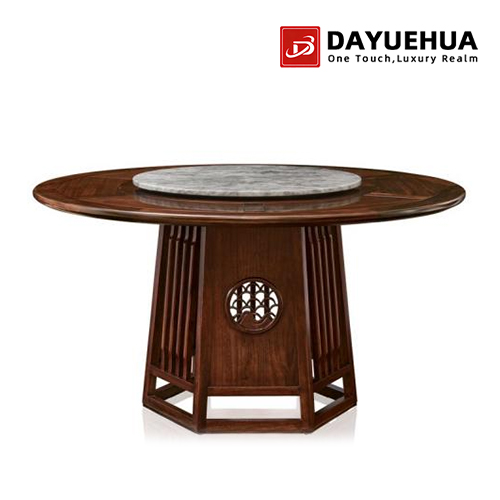
Black walnut is celebrated for its rich, chocolate-brown tones and complex grain patterns. However, in the realm of ultra-luxury furniture, black ebony and walnut-colored ebony offer a level of density that surpasses standard hardwoods. On the Janka hardness scale, ebony is significantly higher than walnut, providing superior resistance to dents and scratches in high-traffic environments like hotel dining rooms or executive boardrooms.
Our collections utilize these premium timbers to create a sensory experience. The natural oils in ebony provide a built-in luster that matures over time. Whether you choose the deep, dark tones of pure ebony or the warmer hues of walnut-colored ebony, you are investing in a material that maintains its structural weight and refined appearance far longer than mass-produced alternatives.
The Wisdom of Mortise and Tenon Joinery in Black Walnut Dining Table
The true differentiator of a high-quality black walnut dining table is its construction method. We reject the use of metal nails or screws, which can rust, strip, or loosen as wood naturally expands and contracts with humidity changes. Instead, we employ the ancient mortise and tenon joinery technique.
This “nail-free” interlocking system allows the wood to breathe and move without compromising the joint’s strength. By fitting a precisely carved tenon into a matching mortise, the furniture achieves a self-locking stability. This oriental carpentry wisdom ensures that the table remains silent and sturdy for generations, avoiding the common “wobble” found in furniture held together by modern fasteners.
Technical Comparison: Solid Wood vs. Engineered Veneer
The following table outlines the performance metrics of our solid ebony and walnut furniture compared to standard industry veneers.
| Technical Attribute | Solid Ebony/Walnut (Nail-Free) | Standard Veneered Table (Screwed) |
| Core Construction | 100% Solid Hardwood | Particleboard or MDF Core |
| Joint Technology | Mortise and Tenon Interlock | Metal Screws and Adhesives |
| Surface Repairability | High (Can be sanded and restored) | Low (Damage to veneer is permanent) |
| Structural Longevity | Decades to Centuries | 5 to 10 Years |
| Moisture Resistance | High (Natural oils and tight grain) | Low (Core swells if moisture enters) |
| Environmental Impact | Biodegradable and Sustainable | Contains synthetic resins and glues |
Durability Standards for Global Project Solutions
In commercial and residential projects, furniture must withstand constant use without losing its aesthetic appeal. A solid black walnut dining table built with traditional joinery is an engineered solution for durability. Because there are no metal components to fatigue, the structural integrity remains constant.
According to furniture lifecycle assessments, solid wood pieces constructed with traditional joints have a significantly lower total cost of ownership over time. While the initial investment is higher, the lack of replacement needs and the ability to perform on-site refinishing make it the preferred choice for sustainable, high-end developments.
Bespoke Customization for Hospitality and Villas
Every architectural space has unique requirements. We provide comprehensive project furniture supply, allowing designers to specify dimensions, edge profiles, and finishes. Whether the project calls for a 4-meter long boardroom table or a series of intimate dining sets for a boutique hotel, our factory-direct model ensures consistency.
Our customization process integrates modern precision machining with hand-finished details. This hybrid approach allows us to maintain the artistic soul of the timber while meeting the exact technical specifications required by international interior design firms.
OEM and ODM Manufacturing for Premium Brands
For global furniture brands looking to expand their luxury offerings, our OEM and ODM services provide a seamless manufacturing partnership. We transform design concepts into production-ready prototypes, ensuring that every black walnut dining table produced under your label meets the highest standards of craftsmanship.
Our facility is equipped to handle bulk orders without sacrificing the “artisanal” feel of the furniture. By leveraging our expertise in ebony and walnut-colored timbers, brands can offer exclusive, nail-free collections that stand out in a crowded market dominated by disposable designs.
Full-House Furniture Solutions and Integrated Design
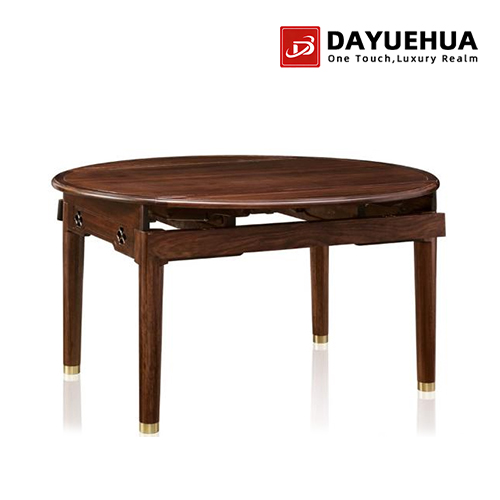
A luxury dining room is often part of a broader interior narrative. Our integrated furniture solutions extend from the dining area to living rooms and bedrooms, ensuring a cohesive aesthetic across the entire property.
For real estate developers, sourcing an entire furniture package from a single expert manufacturer simplifies logistics and ensures material harmony. Every piece, from the dining chairs to the sideboards, shares the same grain characteristics and structural DNA, creating a unified atmosphere of understated luxury.
Sustainable Sourcing and Heirloom Investment Value
In 2026, sustainability is defined by longevity. Investing in a black walnut dining table that uses ancient joinery techniques is a move toward a circular economy. By avoiding toxic glues and non-recyclable metal fasteners, these pieces are environmentally responsible.
The heirloom quality of our furniture means it is intended to be passed down, not discarded. This long-term utility is the ultimate form of sustainable consumption. When you choose solid timber and traditional craftsmanship, you are choosing a product that respects the natural world as much as it enhances the built environment.
FAQ
What are the structural benefits of a nail-free black walnut dining table?
Traditional nail-free construction utilizes mortise and tenon joinery, which allows the wood to expand and contract naturally with humidity. Unlike metal screws that can strip or loosen over time, these interlocking joints create a self-stabilizing structure that remains silent and sturdy for generations.
Can your black walnut dining tables be customized for large-scale hospitality projects?
Yes. We provide comprehensive OEM/ODM and bespoke manufacturing services. We can customize dimensions, edge profiles, and finishes to meet the specific technical requirements of boutique hotels, luxury villas, or corporate boardrooms, ensuring a perfect fit for any architectural layout.
How do you ensure the stability of extra-long black walnut dining tables?
For oversized or boardroom-scale tables, we combine precision-engineered mortise and tenon joints with carefully selected, kiln-dried timber. This prevents warping and ensures that even a 4-meter table maintains perfect horizontal alignment and structural integrity without the need for unsightly metal reinforcements.
Need Help Choosing the Right Black Walnut Dining Table?
If you’re unsure about which solid timber or custom configuration is best for your luxury residence or commercial project, our experts are here to help. Contact us today for a personalized consultation, and ensure your interior furniture is both structurally reliable and aesthetically superior. Don’t wait until a low-quality piece fails—get in touch now to protect your property and your investment with a masterpiece of traditional joinery!